SOUTH FLORIDA FLOOD WATCH: WHAT THIS WEEK'S HEAVY RAIN MEANS FOR YOUR ROOF
Heavy rain is soaking South Florida this week. Learn the first signs of a roof leak, what to do right away, and how to book a free roof inspection.
7 min read

A flood watch is in effect across Miami-Dade, Broward, and Palm Beach counties through Thursday evening, as repeated rounds of heavy rain and gusty winds move along Florida’s east coast. For homeowners, a roof leak after heavy rain is often the first sign that months of wet weather have taken a toll. This guide covers what to expect this week, the early warning signs to watch for, and why now is the right time for a free roof inspection.
Key takeaways: Check your ceilings and attic during and after the rain. Small stains are early warnings. A free inspection after this week can catch damage before it spreads.
What South Florida is dealing with this week
A front stalled just north of us is pulling deep tropical moisture over the region. That setup keeps sending rain over the same neighborhoods, hour after hour. Forecasters expect the heaviest rain through Thursday evening, with rain chances dropping Friday and only spotty showers this weekend.
The National Weather Service in Miami expects 2 to 4 inches of rain along much of the east coast through Saturday morning. That means 3 to 4 inches around Boca Raton, West Palm Beach, and Jupiter, and 2 to 3 inches in Fort Lauderdale and Miami. Heavier bands could push totals to 4 to 8 inches, and isolated spots could see even more. East winds gusting up to 30 mph are pushing rain sideways, and a high surf advisory is in effect for the Palm Beach and Broward coast.
Why this rain is hard on South Florida roofs
One heavy storm rarely ruins a healthy roof. The problem this week is what came before it. After months of rain, many roofs have been wet for weeks on end, and small weak spots have had plenty of time to grow.
Three things make this system especially tough:
- Wind-driven rain. Gusty east winds push water up and under tiles, shingles, and flashing, into places it normally can’t reach.
- Long duration. Rain that keeps falling for days gives water time to find every crack and open seam.
- Saturated materials. Wood decking and underlayment that never fully dried out are more likely to let water through.
Flat roofs over lanais, garages, and additions face an extra risk. When drains can’t keep up, water pools on the surface and presses on every seam.
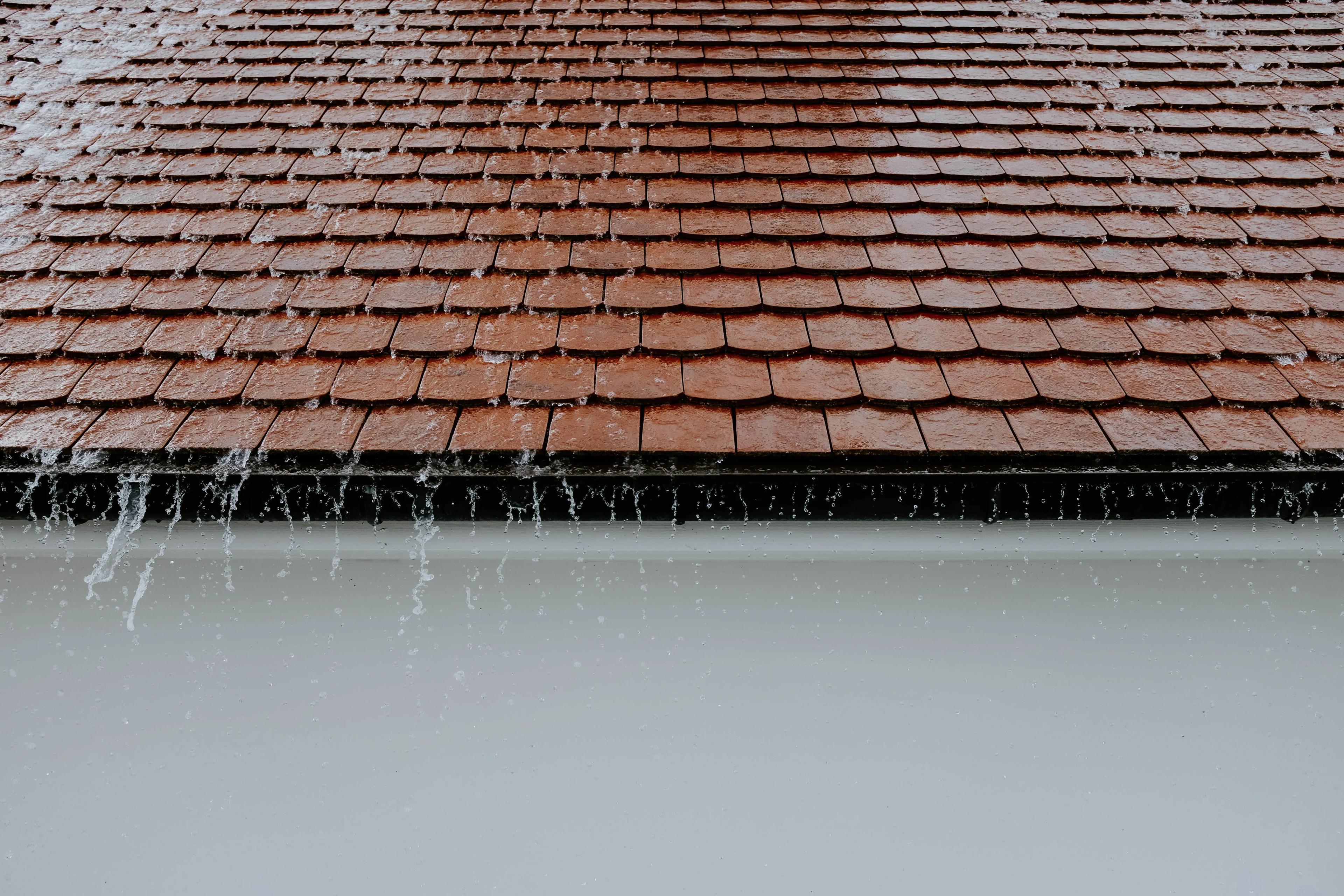
The first signs something is wrong
Most roof leaks start small and quiet. Catching them early is the difference between a simple repair and replacing drywall, insulation, and decking. Here’s what to look for.
Inside your home
Walk through your home during and after the rain. Pay special attention to top-floor rooms:
- New or growing stains on ceilings, especially near corners, vents, and light fixtures
- Bubbling or peeling paint on ceilings or high on walls
- Dripping sounds in the attic or inside walls
- Musty smells in closets or upstairs rooms
- Damp insulation or wet wood, if you can safely look into the attic with a flashlight
A stain the size of a coin today can be a soaked section of ceiling next week. If you see one, mark its edges with a pencil and check whether it grows.
From the ground outside
Once the rain lets up, take a slow walk around your home. Please don’t climb on the roof, especially when it’s wet. From the yard, look for:
- Missing, cracked, or slipped tiles, especially along ridges and edges
- Lifted or creased shingles
- Bent or loose flashing around chimneys, walls, and vents
- Gutters overflowing or pulling away from the fascia
- Water stains or rot on fascia boards and soffits
- Tile pieces or shingle granules on the ground or in downspouts
Take dated photos of anything that looks off. They’ll help with repairs and any insurance claim.
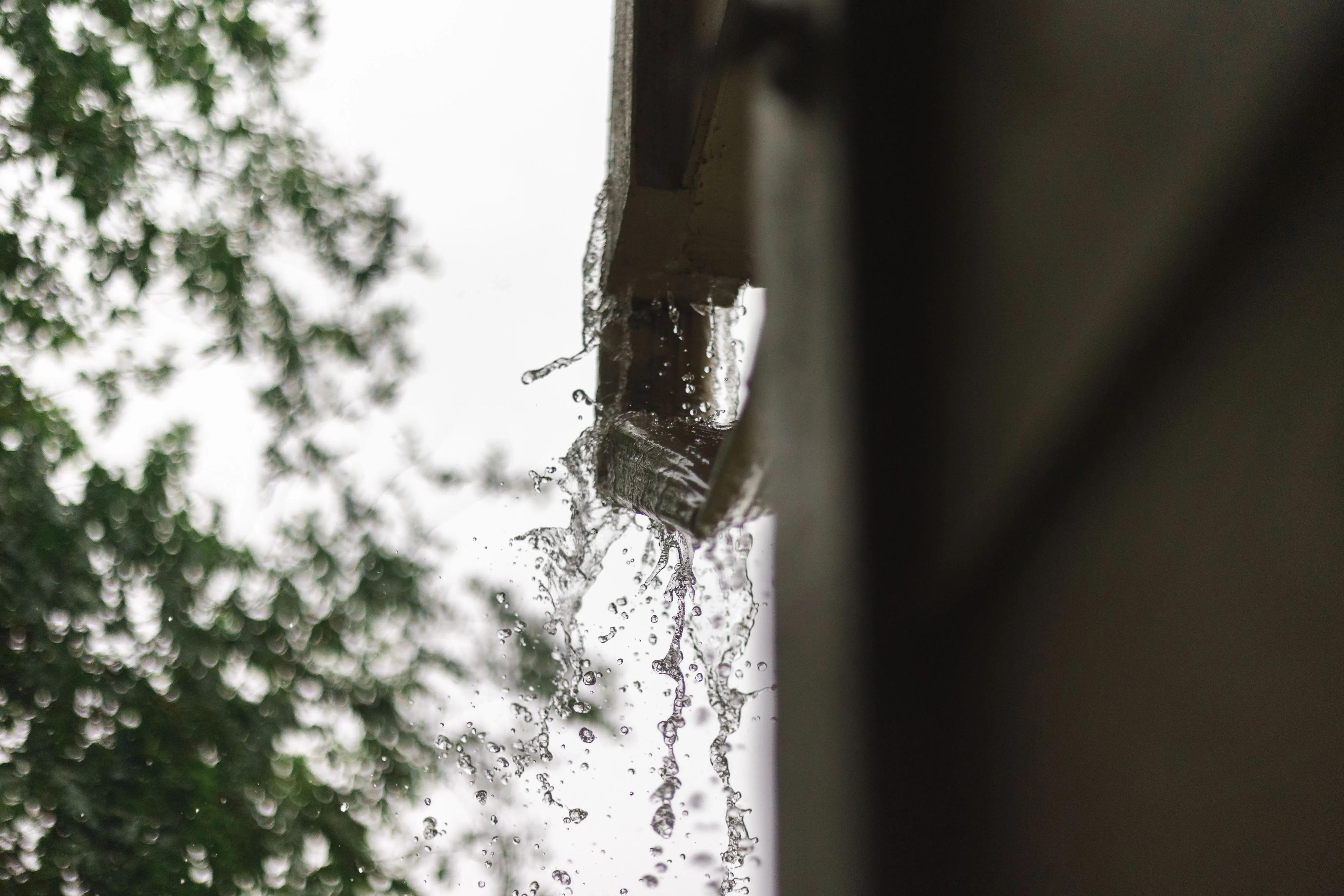
Flat roofs, patios, and lanais
If part of your home has a flat roof, check it from a safe spot after the rain stops. Water still standing a day or two later, open seams, or blisters are signs the membrane needs attention.
What to do right now if you see a leak
If water is coming in, take these steps:
- Stay safe. Keep water away from outlets and light fixtures. Turn off power to affected rooms if needed.
- Contain the water. Use buckets and towels, and move furniture and electronics out of the way.
- Document everything. Take photos and short videos of the leak, the stain, and any damage.
- Call a licensed roofer. A professional can safely check the roof and make a temporary repair if needed.
- Contact your insurer. Report sudden storm damage promptly. Florida law generally gives you one year from the date of loss to give notice of a new claim.
EcoSmart Construct answers the phone 24/7 at (954) 974-4848.
Why a free roof inspection makes sense after this week
Even if you haven’t seen a drip, this week’s rain is a good reason to have your roof checked. Many problems are invisible from inside the house until water has already done damage. A professional inspection finds the weak spots while they’re still small and inexpensive to fix.
An inspection also gives you dated documentation of your roof’s condition. That matters for insurance claims, policy renewals, and peace of mind heading into the dry season, which is the best time of year to make repairs before the next hurricane season.
What happens during your free EcoSmart inspection
We come to your home at a time that works for you and give you a clear answer about your roof. There’s no cost, no obligation, and no sales pitch. Here’s what to expect:
- We listen first. Tell us what you’ve noticed, from stains to sounds to past repairs.
- We inspect up close. A roofing specialist checks the roof covering, flashing, vents, valleys, and edges.
- We check the attic for moisture, daylight, and signs of hidden leaks.
- We document with photos so you can see exactly what we see.
- We give you a straight answer: repair, replace, or leave it alone for now.
If a repair is all you need, we’ll tell you. If replacement makes more sense, we’ll explain why and walk you through your options, including roof financing.
Why South Florida homeowners choose EcoSmart Construct
When your roof is leaking, you need a team that shows up and does the job right. Here’s what you can count on:
- More than 40 years of roofing experience in South Florida
- Local offices in Coral Gables, Pompano Beach/Fort Lauderdale, and West Palm Beach, plus Fort Myers on the west coast
- Phones answered 24/7, with a specialist callback within 24 hours when you request a quote online
- Licensed and insured, CCC1337404
- Built for our code, including the High Velocity Hurricane Zone in Miami-Dade and Broward
- Honest recommendations, with repair first when repair is the right call
- Residential and commercial roofing, including tile, shingle, metal, and flat roofs
As one facilities director in Palm Beach put it, EcoSmart answers the phone, responds quickly, arrives on time, and stays within budget. That’s the standard we hold ourselves to on every call.
Frequently asked questions
Can heavy rain damage a roof even without high winds?
Yes. Long periods of heavy rain can push water through worn underlayment, cracked tiles, open seams, and aging flashing. Roofs that have stayed wet for weeks, after months of rain, are especially vulnerable. Wind makes it worse by driving water sideways under the roof covering.
Does homeowners insurance cover a roof leak after heavy rain in Florida?
It depends on the cause and your policy. Sudden damage from a storm may be covered, minus your deductible. Slow leaks and normal wear usually aren’t. Document the damage right away, and in Florida, give notice of a new claim within one year of the date of loss.
How soon after a storm should I get my roof inspected?
As soon as it’s safe, ideally within a few days of the rain ending. An early inspection catches hidden damage before it spreads and gives you dated documentation for insurance. If water is actively coming in, call a roofer right away.
Conclusion
This week’s rain is a real test for South Florida roofs, especially after months of wet weather. Watch for the early signs, and don’t wait for a small stain to become a big repair. Book your free roof inspection or call us 24/7 at (954) 974-4848.
Related articles
METAL ROOF REPLACEMENT IN PEMBROKE PINES: A CASE STUDY
A metal roof replacement in Pembroke Pines means trading years of upkeep for one long-term solution. That is exactly what one Broward County homeowner decided to do. His 20-year-old concrete tile roof had not failed. But two decades of South Florida sun, humidity, and storm seasons had taken their toll. Rather than wait for a problem to force his hand, he called EcoSmart Construct to talk through what came next.